On this page
A sauna blanket is a heated wrap you lie inside — far-infrared elements against your body rather than hot air around it. In 2026, UK prices run from £140 to £699, a session costs 10–15p in electricity, and it needs no more space than a rolled sleeping bag. It’s the cheapest and lowest-commitment way into regular heat sessions — provided you’re clear-eyed about what it is, and isn’t.
It is not a sauna in a bag. The health evidence people quote about saunas comes from studies of traditional Finnish saunas, and the blanket experience — lying down, head out, heat by contact — is a different thing. Useful? Genuinely. Equivalent? Unproven.
What you’ll pay in 2026
| Blanket | UK price | Notes |
|---|---|---|
| MiHIGH | £140 (list £315) | Promotional price on the brand’s UK site, checked July 2026 |
| ZoeTech | £239 | Up to ~400W |
| Smomar | £349 | Runs to ~80°C |
| Heat Healer | £398 | Longer 190cm cut |
| HigherDOSE | £699 | The premium option; heat “levels” rather than degrees |
Prices for the non-MiHIGH rows are from Expert Reviews’ UK round-up (last updated November 2023 — treat as indicative and check current pricing; the market discounts heavily). You can compare live sauna blanket prices across brands on Amazon.
The pattern worth noticing: the £140 and £699 blankets do substantially the same job — far-infrared elements, similar temperature ceilings, similar controllers. Above the mid-market you’re mostly paying for brand and materials, not capability.
How it works — and how it differs from a real sauna
The blanket’s elements emit far-infrared heat directly into your body. Wattages run roughly 350–600W depending on model — less than a kettle. Air temperature barely rises; you do.
Three practical differences from a cabin sauna:
- Contact heat, not air heat. A traditional sauna surrounds you with 65–90°C air; the blanket presses warmth against you at a much lower stated temperature that feels stronger than the number suggests.
- Posture. You lie flat with your head out and arms usually inside. Reading is awkward, phones overheat: it’s a lie-there-and-cook experience.
- No löyly, no ritual. There’s no steam over stones, no cool-down plunge, no room to share. If the ritual is the point for you, see are home saunas worth it? for what a real cabin costs — the gap is smaller than most people think.
The claims to ignore
Blanket marketing leans hard on two words the evidence doesn’t support:
- “Detox.” Your liver and kidneys detoxify you; sweat is overwhelmingly water and salts. No blanket manufacturer has shown otherwise — treat “detox” as a synonym for “sweating”.
- Calorie-burn numbers. Per the Cleveland Clinic, post-session weight loss is dehydration, not fat, and claims of hundreds of calories burned per session are manufacturer marketing, not established science.
What you can reasonably expect: feeling deeply warmed and relaxed, a solid sweat, and — anecdotally for many users — easier wind-down before bed. Those are worth £140. They’re just not medicine.
Using one well
- Start low. Middle heat settings, 20–30 minutes, and see how you feel; work up to 45 minutes. The Cleveland Clinic’s guidance on heat sessions applies here too: hydrate before and after, skip it entirely after alcohol, and check with a doctor first if you’re pregnant, over 65, or have a heart condition.
- Line it, every time. A towel liner (or a dedicated blanket insert) keeps sweat off the vinyl. Our sauna towel guide covers materials that survive repeated hot washes.
- Dry it before storing. Wipe down, leave it open until fully dry, then roll. Sealed damp vinyl gets biological quickly.
Verdict
The sauna blanket is the right first move if you’re heat-curious and space- or budget-limited: £140–£699 in, pennies to run, nothing to install, and easy to sell on if it’s not for you. It’s the wrong purchase if what you actually want is the sauna — the air heat, the steam, the ritual — in which case put the money towards a cabin from our types of sauna guide instead.
Frequently asked questions
Do sauna blankets actually work?
They reliably do one thing: get you very warm and sweating while lying down, for 10–15p of electricity a session. What's not established is that they deliver the health outcomes measured in the Finnish sauna research — those studies were done in traditional saunas, not blankets. Treat the relaxation as real and the bigger health claims as unproven.
How hot does a sauna blanket get?
Most UK models run heat settings up to roughly 75–80°C at the element. Because the heat is against your body rather than in the air, it feels intense sooner than the number suggests — most people settle at middle settings.
How much does a sauna blanket cost to run?
At the July–September 2026 price-cap rate of 26.11p/kWh, a 400–600W blanket costs roughly 10–15p for a 45-minute session — the cheapest running cost of any sauna format.
Do sauna blankets help you lose weight or detox?
The weight that disappears after a session is water, and it comes back when you rehydrate — the Cleveland Clinic is blunt that sweating is not fat loss, and your liver and kidneys handle detoxification. Both claims are marketing, not medicine.
How do you keep a sauna blanket hygienic?
Use a towel liner or insert every session, wipe the interior down afterwards, and let it air fully before rolling it up. Sweat plus sealed vinyl is an unpleasant science experiment within a fortnight otherwise.
Keep reading
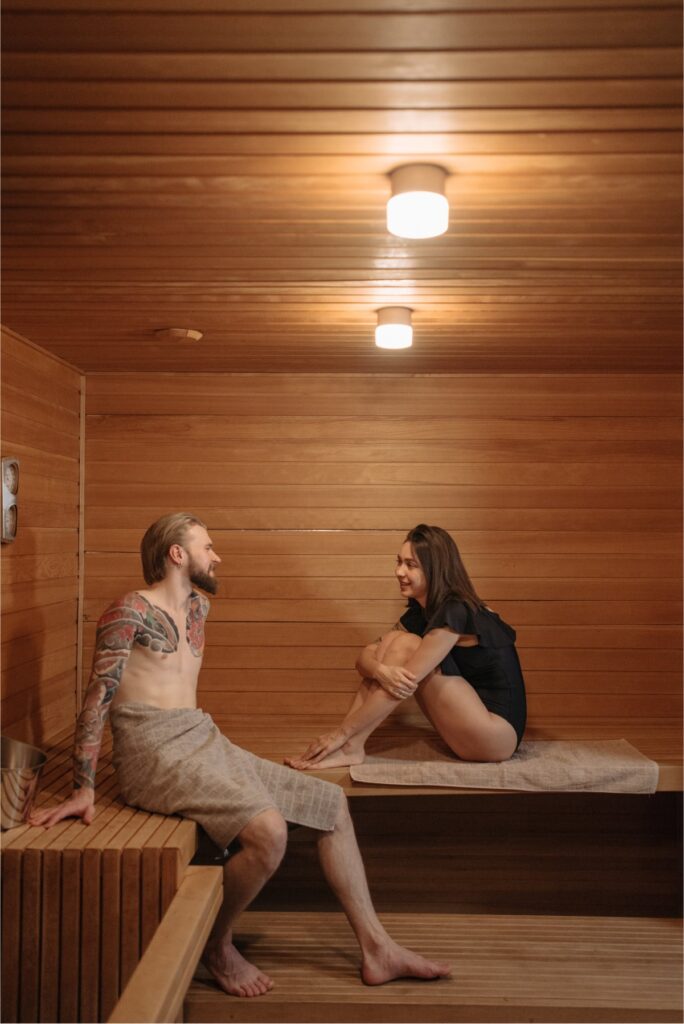
Yes — but modestly, and the weight on the scale afterwards is water, not fat. What the actual studies measured, where the viral calorie numbers come from, and the honest maths.
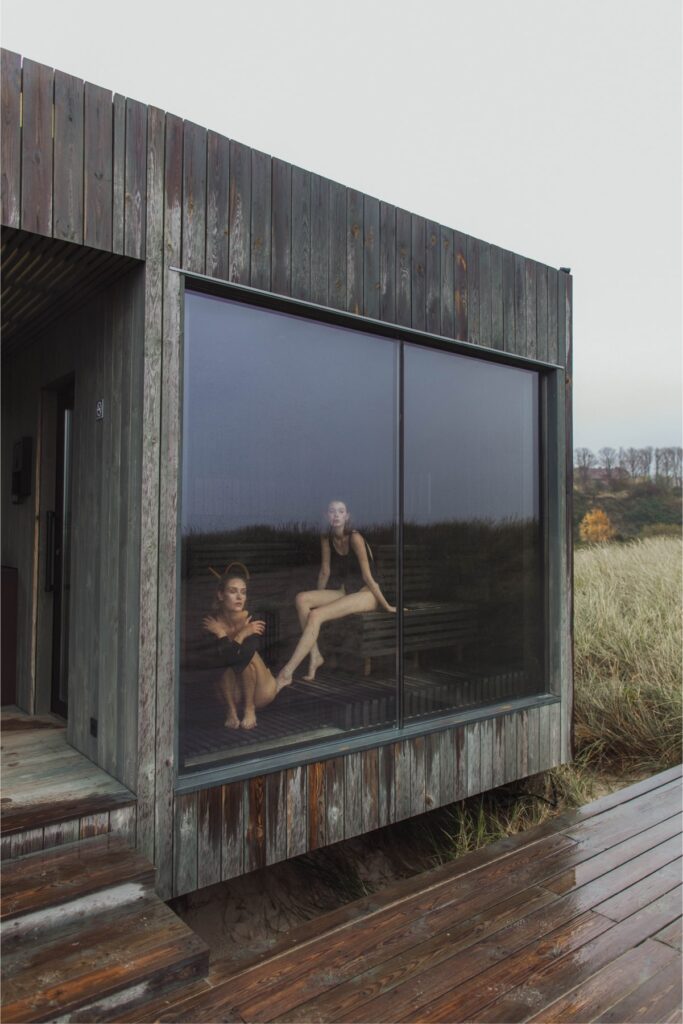
What regular sauna use is actually associated with — cardiovascular risk, dementia, blood pressure, colds — with the real study numbers, the caveats, and what saunas don't do.

The sauna accessories that earn their place — with named picks and 2026 UK prices: a £26.99 alder bucket, a £22.99 thermometer-hygrometer, a £12.99 wool hat — and the gadgets to skip.