On this page
- The plan (half-day and express)
- Set the scene (and defend it)
- Warm up: steam and soak
- Face: cleanse, mask, moisturise
- Body: scrub and seal
- Hands and feet (the half-day bonus round)
- Wind down like you paid for it
- The mistakes that break a home spa day
- The shopping list, three ways
- Making it a habit
- Frequently asked questions
A spa day at home comes down to three ingredients: heat, unhurried treatments, and a phone in another room. None of them require a shopping haul — the £200 spa experience is mostly sequencing, and this guide gives you the sequence: a half-day plan with a zero-spend version of every step, plus the two purchases that genuinely improve it.
The plan (half-day and express)
| Half-day (~4 hrs) | Express (90 min) | |
|---|---|---|
| Set the scene | 20 min | 5 min |
| Steam & soak | 60 min | 30 min |
| Face | 30 min | 15 min |
| Body | 30 min | 15 min |
| Hands & feet | 30 min | — |
| Wind-down | 60+ min | 25 min |
The order matters more than the timings: warm up → treat → moisturise → wind down. Warm, softened skin takes everything that follows better, and the wind-down is what makes it feel like a day off rather than a to-do list in a dressing gown.
Set the scene (and defend it)
- Book it like an appointment. Tell the household, block the hours. A spa day that competes with the washing machine loses.
- Phone: different room. Not silenced — absent. If you want music or rain sounds, set a playlist going on a speaker before you start. (The no-electronics rule holds everywhere heat and water do — the same reason we keep phones out of saunas.)
- Light and warmth. Daylight off, lamps or candles on, heating up a notch — a cold bathroom undoes everything. An aromatherapy candle is one of the two purchases this guide endorses: lavender or eucalyptus, lit at the start, blown out at the end, ritual achieved. Compare lavender aromatherapy candles on Amazon — soy wax versions burn cleanest in a small bathroom.
- Zero-spend scene-setting: big towels warmed on a radiator, the good dressing gown, a jug of water with cucumber or mint made before you begin. Future-you drinks it; present-you feels organised.
Warm up: steam and soak
Heat is the backbone of every spa, and your bathroom already produces it.
- The shower steam room. Hottest shower you enjoy, door and window shut, five slow minutes of breathing in the fog before you wash. It’s the domestic cousin of the real thing — the sauna vs steam room comparison explains why warm saturated air feels so instantly soothing (and why it’s comfort, not medicine).
- The facial steam. Basin or large bowl of hand-hot water, head over it, towel tented over both, five minutes. Kettle water needs a couple of minutes to cool first — softened skin is the goal, scalded skin is a different day out.
- The soak. Warm bath, 20–30 minutes, with a couple of handfuls of Epsom salts — the second and final endorsed purchase (Epsom bath salts search). The soak’s relaxation does the heavy lifting; the salts make it feel like an occasion. No bath? Long shower, then wrap up warm immediately — the point is arriving at the next step warm and loose.
- Own a sauna or blanket? This is its slot in the running order — a 15-minute session here replaces the shower steam. If heat is reliably your favourite part of these days, that’s the signal to read are home saunas worth it? and the sauna blanket guide — the £140 blanket exists for exactly this use case.
Face: cleanse, mask, moisturise
No twelve-step routine required — warm skin plus three steps:
- Cleanse with whatever your skin already likes. A spa day is a bad moment to experiment with new actives; redness is not the souvenir you want.
- Mask — shop-bought is fine, and the kitchen versions (honey on its own; mashed avocado with a teaspoon of honey; plain oats blitzed with warm water for a gentle one) have been doing the job since long before the beauty aisle. Ten to fifteen minutes, horizontal, eyes shut.
- Moisturise more generously than usual while skin is still slightly damp — damp skin takes moisturiser noticeably better, which is the closest thing this guide has to a beauty secret.
A cold-water face rinse or a chilled teaspoon under the eyes at the end is the free version of every “depuffing tool” ever sold.
Body: scrub and seal
- The kitchen scrub: half a cup of granulated sugar, enough olive or sunflower oil to make wet sand, optional squeeze of citrus. Work upwards from feet in the shower, rinse warm. It exfoliates as well as anything in a £30 tub and you made it in ninety seconds.
- Seal it in: moisturiser or body oil everywhere, applied to towel-damp skin, then the warm dressing gown. This is the step people skip and it’s half the “just left the spa” feeling.
Hands and feet (the half-day bonus round)
Warm water soak for ten minutes (a drop of the bath salts in the bowl), push cuticles back gently with a towel-wrapped thumbnail, scrub heels with the sugar mix, moisturise, thick socks. No polish required — spa-day feet are about comfort, not colour.
Wind down like you paid for it
The last hour is the difference between “had a bath” and “had a spa day”:
- Warm drink — herbal tea or the cucumber water from step one. (Real spas don’t serve espresso at checkout for a reason.)
- Horizontal time — sofa or bed, blanket, twenty minutes minimum. A book or slow music; still no phone.
- Early, unhurried evening. The spa day officially ends at bedtime, not when the bath drains — protect the calm you just built.
The mistakes that break a home spa day
Knowing the sequence is half of it; the other half is dodging the traps that turn “spa day” back into “long bath”:
- Water too hot, too long. Scalding baths feel luxurious and leave skin drier than you started — warm-not-lobster, and moisturise while damp afterwards.
- Debuting new products. A spa day tests your ritual, not your skin barrier. New acids, retinols or that intriguing mask sample belong on an ordinary Tuesday, when a reaction costs you nothing.
- Caffeine in the middle. The espresso at hour two undoes the wind-down you’re building. Front-load the coffee or skip it; herbal from noon.
- Doing it hungry (or stuffed). Heat plus an empty stomach is how spa days end in light-headedness; a heavy lunch mid-sequence has the opposite problem. Eat lightly an hour before you start.
- “Just quickly checking” anything. One glance at the phone restarts the mental clock. If the household genuinely might need you, leave the ringer on in the next room — reachable for emergencies, unreachable for everything else.
- Skipping the wind-down. Draining the bath and immediately hoovering converts the entire day back into chores. The last horizontal hour is the treatment.
The shopping list, three ways
| Tier | What’s in it | Cost |
|---|---|---|
| Zero-spend | Hot shower steam, kitchen scrub (sugar + oil), honey or oat mask, warmed towels, cucumber water, phone exile | £0 |
| The endorsed two | Epsom salts + an aromatherapy candle | ~£15–25 |
| The works | Add: proper bath pillow, decent robe, linen towels, massage oil, essential oils for the steam bowl | £50–100, bought once |
Notice what’s not on any tier: gadgets. Face steamers, jade rollers, LED masks and “home spa kits” mostly replicate what a bowl of warm water, a cold teaspoon and a towel already do — the same buy-boring rule as our sauna accessories guide.
Making it a habit
One home spa day is a treat; a monthly one is maintenance. Put the next one in the calendar before this one ends, keep the kit (salts, candle, the good towels — see our towel guide for ones that survive constant hot washes) in one basket so setup takes two minutes, and if the heat step keeps being your favourite, the types of sauna guide is where the upgrade path starts — or make the day of it a day out at one of the UK’s best public saunas. And for the fuller version of relaxing in the heat, our sauna tips for maximising the experience apply just as well to a steamy bathroom as a cabin.
Frequently asked questions
How do I give myself a spa day at home for free?
Almost the entire spa day runs on things you own: a hot shower with the door shut is your steam room, a bath is your soak, a sugar-and-oil mix from the kitchen is your body scrub, a warm damp towel is your hot compress, and your phone in another room is the real luxury. The only step you can't fake is time — block out the hours like a real booking.
What order should home spa treatments go in?
Warm up first, treat second, seal it in third: steam or soak to soften skin and start the unwind, then face mask and body scrub while you're warm, then moisturise everything, then wind down slowly. Cleansing before steaming beats after — you want clean skin before you open it up with warmth.
How long should a home spa day be?
A proper one is a half-day — around four hours. If you can't defend four hours, a 90-minute express version (steam shower, mask, scrub, moisturise, tea) still resets you; what kills the effect is compressing it to the point you're checking messages between steps.
What should I buy for a home spa day?
Two things earn their price: Epsom bath salts for the soak, and a decent aromatherapy candle for the ritual of it. Everything else — masks, scrubs, compresses, steam — has a perfectly good zero-spend version already in your house.
Keep reading
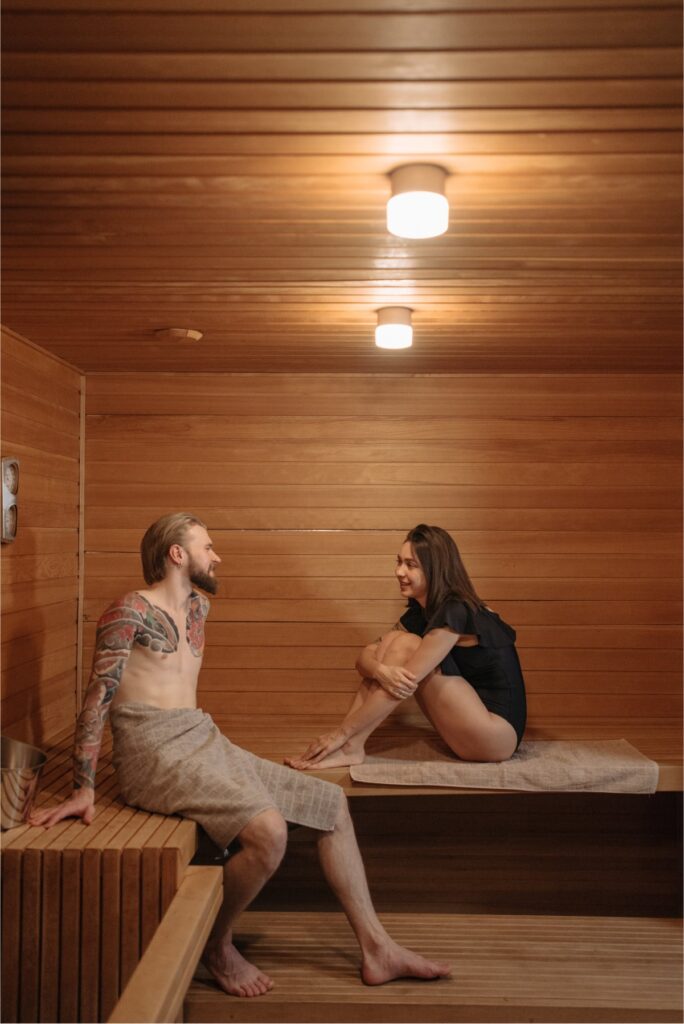
Yes — but modestly, and the weight on the scale afterwards is water, not fat. What the actual studies measured, where the viral calorie numbers come from, and the honest maths.
What regular sauna use is actually associated with — cardiovascular risk, dementia, blood pressure, colds — with the real study numbers, the caveats, and what saunas don't do.
The sauna accessories that earn their place — with named picks and 2026 UK prices: a £26.99 alder bucket, a £22.99 thermometer-hygrometer, a £12.99 wool hat — and the gadgets to skip.